The Best Coffee Beans for Espresso: What to Look For and Why It Matters
TL;DR:
Not all coffee beans pull a great espresso. The best coffee beans for espresso are medium to dark roasted, low in acidity, and either a well-crafted blend or a bold single origin. Freshness matters more than most people realise. Here is everything you need to know to get it right.
Introduction
There is a particular kind of frustration that comes with a bad espresso shot. You did everything right. The grind looked good. The machine was hot. But what came out was either too bitter, too sour, or just flat. Nine times out of ten, the beans are the problem.
Choosing the right coffee beans for espresso is honestly where most home brewers go wrong. It is easy to assume any decent bag of coffee will do the job. But espresso is an unforgiving brew method. It strips everything bare and amplifies whatever is in the bean, good or bad.
The good news is once you understand what to look for, picking the right beans becomes surprisingly straightforward.
What Makes a Coffee Bean Good for Espresso?
Espresso is brewed under high pressure in a short time, usually 25 to 30 seconds. This means the machine extracts intensely and quickly. The bean needs to hold up to that process and deliver something balanced, not harsh.
Here is what to pay attention to:
Roast Level
Medium to dark roast beans are generally the sweet spot for espresso. They have lower acidity, more developed sugars from the roasting process, and produce the rich, full-bodied flavour most people expect from a good shot. Very light roasts tend to pull sour and thin under espresso pressure, though some specialty roasters are changing that with careful dialing in.
Bean Origin and Profile
Beans from Latin America, particularly Brazil and Colombia, are popular for espresso because of their natural chocolate, caramel, and nutty notes. These flavours translate beautifully into a concentrated shot. Sumatran beans add body and earthiness. Ethiopian beans bring fruit and brightness, which can be interesting in espresso but require more precision.
Arabica vs. Robusta
Most specialty espresso blends use Arabica beans for their complexity and smooth flavour. Some blends add a small percentage of Robusta for extra crema and a caffeine boost. A well-balanced Arabica-Robusta blend can produce an exceptional espresso with great body and a thick, lasting crema.
Freshness
This one is non-negotiable. Stale beans make flat, lifeless espresso regardless of origin or roast. Look for beans with a clear roast date on the bag, and aim to use them between 5 and 30 days after roasting. The first few days after roasting, beans are still off-gassing and can taste sharp. After 30 days, the flavours start to fade.
Blend vs. Single Origin for Espresso
This is a debate worth having.
|
Coffee Blend |
Single Origin |
|
|
Consistency |
Very consistent cup to cup |
Can vary by harvest |
|
Flavour |
Balanced, rounded, familiar |
Unique, distinctive, origin-specific |
|
Forgiving to brew |
More forgiving |
Requires precise dialing in |
|
Best for |
Everyday espresso and milk drinks |
Black espresso, specialty brewing |
For most people brewing at home, a well-crafted blend is the more practical and enjoyable choice. It is designed to be balanced across a range of grind settings and machine types. Single origins are exciting but reward patience and precision.
Grind Fresh, Always
Even the best espresso beans will disappoint you if they are pre-ground and sitting in a bag. Ground coffee goes stale within hours of grinding. If you are serious about espresso, buy whole beans and grind just before brewing. It makes a bigger difference than most people expect.
Conclusion
The best coffee beans for espresso share a few things in common: a medium to dark roast, a flavour profile with natural sweetness and body, a clear roast date, and ideally a blend built specifically for the brew method. Get those things right and your espresso will speak for itself.
Your machine is only as good as what you put in it. Start with great beans and the rest becomes much easier.
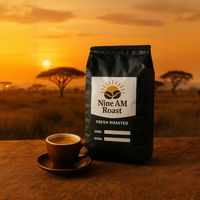
Find Your Perfect Espresso Beans at Nine AM Roast
We roast every batch fresh so your beans arrive at exactly the right moment, full of flavour and ready to pull. Whether you love a rich blend or want to explore single origins, we have got something worth waking up for.
Shop Espresso Coffee Beans at Nine AM Roast
Fresh roasted. Small batch. Built for a great shot.
The best espresso beans are medium to dark roasted, low in acidity, and fresh within 5 to 30 days of roasting. Blends with Brazilian or Colombian base beans are a reliable starting point for rich, balanced shots.
Technically yes, but not all beans produce a good result. Light roasts tend to pull sour under espresso pressure. Medium to dark roasts with naturally sweet, chocolatey profiles work best for most home espresso setups.
There is no separate espresso bean variety. Espresso beans are simply coffee beans, usually roasted a bit darker and selected for flavour profiles that hold up well under high-pressure extraction.
Ideally between 5 and 30 days from the roast date. Too fresh and the beans are still off-gassing, which affects extraction. Too old and the flavours flatten out. Always check the roast date on the bag.
Both have a place. Arabica delivers complexity and smooth flavour. Robusta adds crema and a caffeine kick. Many top espresso blends combine the two for the best of both worlds.